
Companies and plaintiffs in California are using a 1967 wiretapping law to target modern website tracking at scale, with statutory damages that can reach $5,000 per violation.
Consent is becoming less about what your banner says and more about whether your website technically enforces it.
That shift is where “consent signals” come in. This post explains what that means, why it matters for 2026, and what teams can do now to reduce risk without turning off marketing completely.
A short story that shows why consent signals matter
A marketing team does the “right” thing. They implement a well-known CMP, publish a detailed privacy policy, add cookie categories, they even run regular tag reviews.
This gap keeps appearing in enforcement actions and litigation: Intent (banner) vs reality (data flows).
Why CIPA is a wake-up call for website tracking
CIPA litigation has increased because plaintiff firms can scan websites at scale.
Courts reach different outcomes depending on the facts and technologies involved. Some claims get tossed, others proceed, often depending on the facts and the specific technology in play.
Even judges have said that parts of the framework are extremely hard to map to the internet, which is part of why legislative reform keeps coming up.
Why the EU Digital Omnibus points to browser-level consent
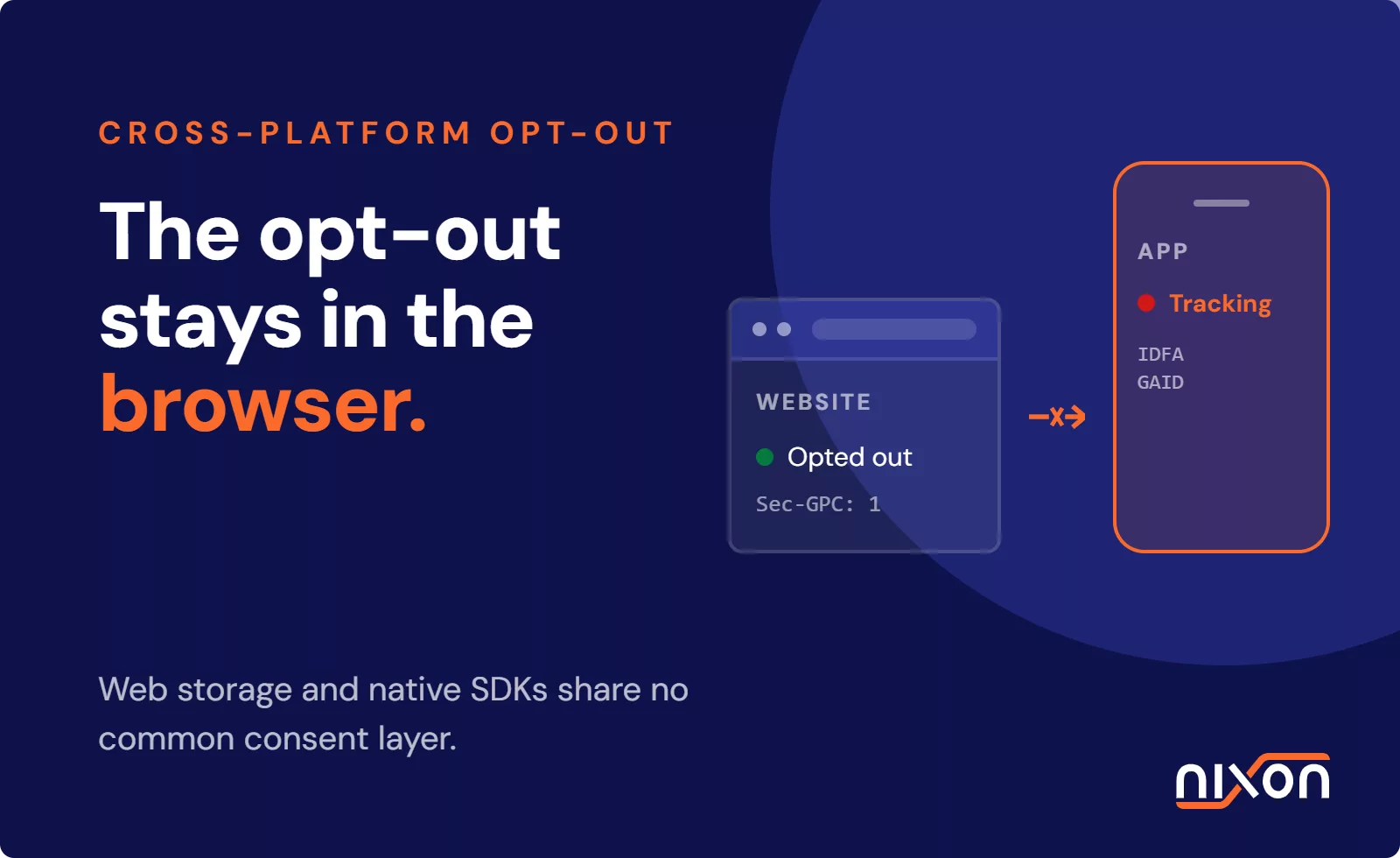
The EU Digital Omnibus proposals (late 2025) explicitly aim to modernize cookie and tracking consent, including reducing banner frequency and enabling more centralized, one-click preference management via browsers or operating systems.
The “consent moment” is shifting away from endless site-by-site popups and toward preference signals that travel with the user.
What “consent signals” actually are
A consent signal gives websites a machine-readable way to detect and respect a user’s preference. In practice, teams will most often deal with three layers:
1) CMP choices (traditional)
2) Browser or OS preferences (emerging)
3) Enforcement signals (the part most teams miss)
- tags do not fire before consent
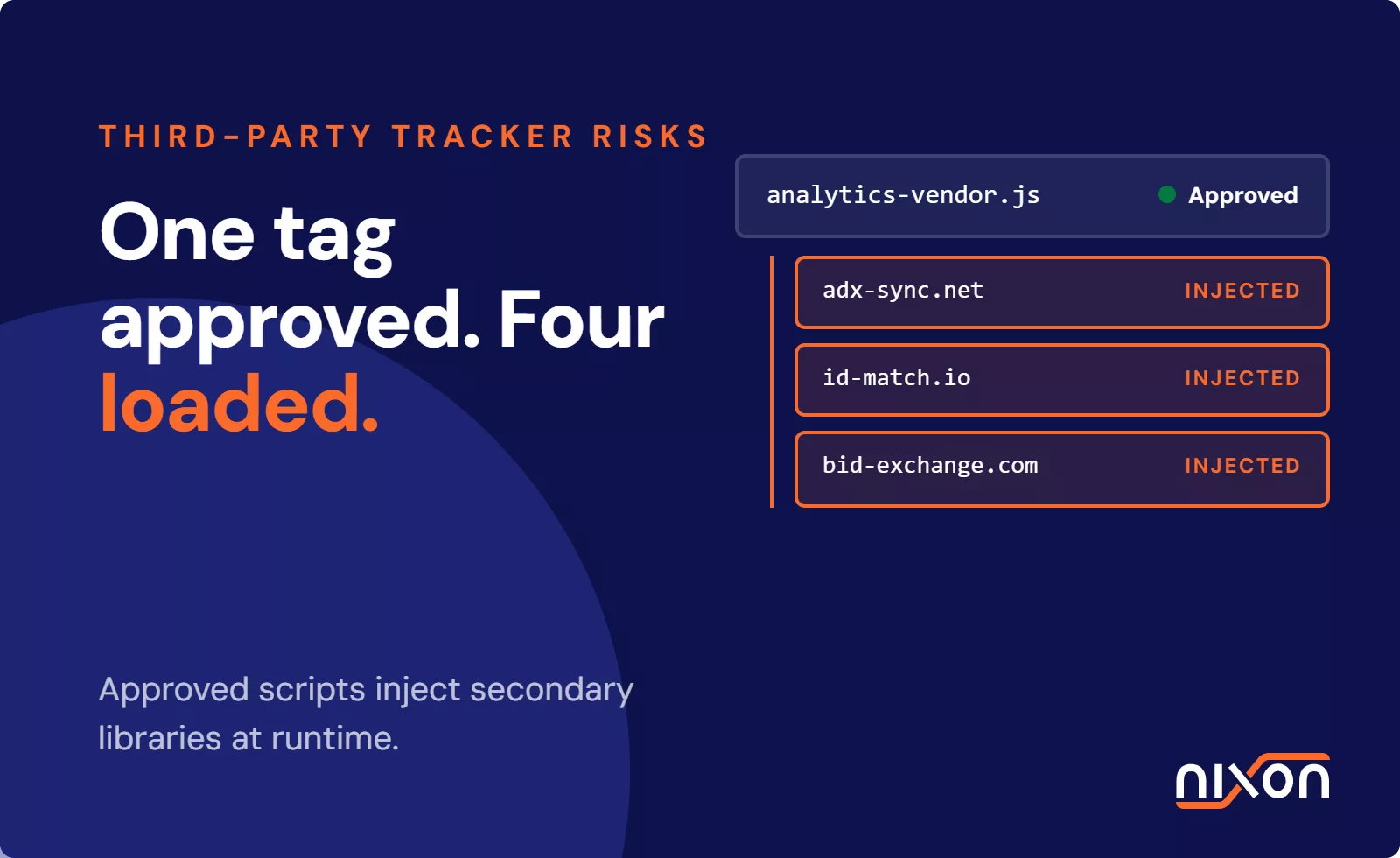
- third-party calls do not happen before consent
- “default” scripts do not leak metadata
- regional and device differences do not break your logic
Why a CMP alone is not enough for consent signals
- multiple tag containers
- hardcoded scripts
- embedded video players
- “free” marketing tools that load early
- A/B testing scripts
- region-based behavior
- different outcomes for logged-in users vs visitors
If one script fires too early, you still expose your organization to risk.
That is why teams should never treat “we have OneTrust” (or any other CMP) as the end of the conversation. It should be the start of validation.
The 2026 consent playbook
1) Map your consent signals and tracking behavior
- which tracking technologies load before consent
- which third parties receive data
- how consent signals from your CMP are translated into technical behavior
- whether browser or regional preferences change anything in practice
2) Validate consent signals beyond the CMP
- scripts do not fire before a consent signal is present
- third-party calls are blocked until consent is given
- rejecting consent actually changes website behavior
3) Reduce risk in high-impact tracking technologies
- session replay tools
- advanced analytics and enrichment scripts
- embedded third-party content
- chat and conversational tools
4) Align consent signals with server-side and client-side tracking
Teams must enforce consent signals both client-side and server-side. If you use server-side tracking:
- confirm that client-side tags are truly removed or delayed
- ensure server-side endpoints do not receive data before consent
- document how consent signals are passed through your setup
5) Make consent signals repeatable across your website portfolio
- consistent consent signal logic
- repeatable audits
- continuous monitoring, not one-time fixes
6) Prove enforcement, not just intent
The most important shift for 2026 is this: Teams need to demonstrate how they enforce consent signals. You should be able to show:
- what happens before consent
- what changes after consent
- how consent signals are enforced technically
Where Nixon Digital fits
- Nixon Pro helps you audit websites and see what trackers, domains, and consent behavior are happening in practice, so you can fix what is actually firing.
- Nixon Platform extends that into portfolio governance, so you can keep multiple websites consistent over time, not just “one and done.”
- As OneTrust experts, you can help teams implement and harden the CMP setup, and then verify that it truly enforces consent across real pages and real third parties.
What to do next with consent signals
- Measure what is happening before consent
- Fix early-firing tags and hardcoded scripts
- Validate again across regions, devices, and key templates
- Repeat on a schedule, especially if you manage multiple sites
Because the direction of travel is obvious:
Banners are not disappearing overnight. But consent is moving toward signals, and enforcement will matter more than UI.
FAQ: Consent signals, CIPA and website tracking
What are consent signals in website privacy?
How are consent signals different from a cookie banner?
Is a cookie banner enough for CIPA compliance?
Does OneTrust support consent signals?
How can I check if my website enforces consent correctly?
Keywords: website tracking compliance, CIPA website tracking, EU Digital Omnibus cookie consent, browser consent preferences, OneTrust consent implementation, server-side tracking privacy